Ways Broadcast System Integrators Are Transforming Media Production: Essential Insights
Broadcast system integrators hold a key position in the media production landscape. They develop and deploy customized broadcasting solutions that enhance collaboration and streamline workflows. By integrating advanced technologies, these professionals not only boost operational performance but also elevate content quality. As the broadcasting environment undergoes continuous change, understanding how these integrators adapt to new challenges grows increasingly important for organizations aiming to thrive. What strategies are proving most effective in this ever-changing industry?
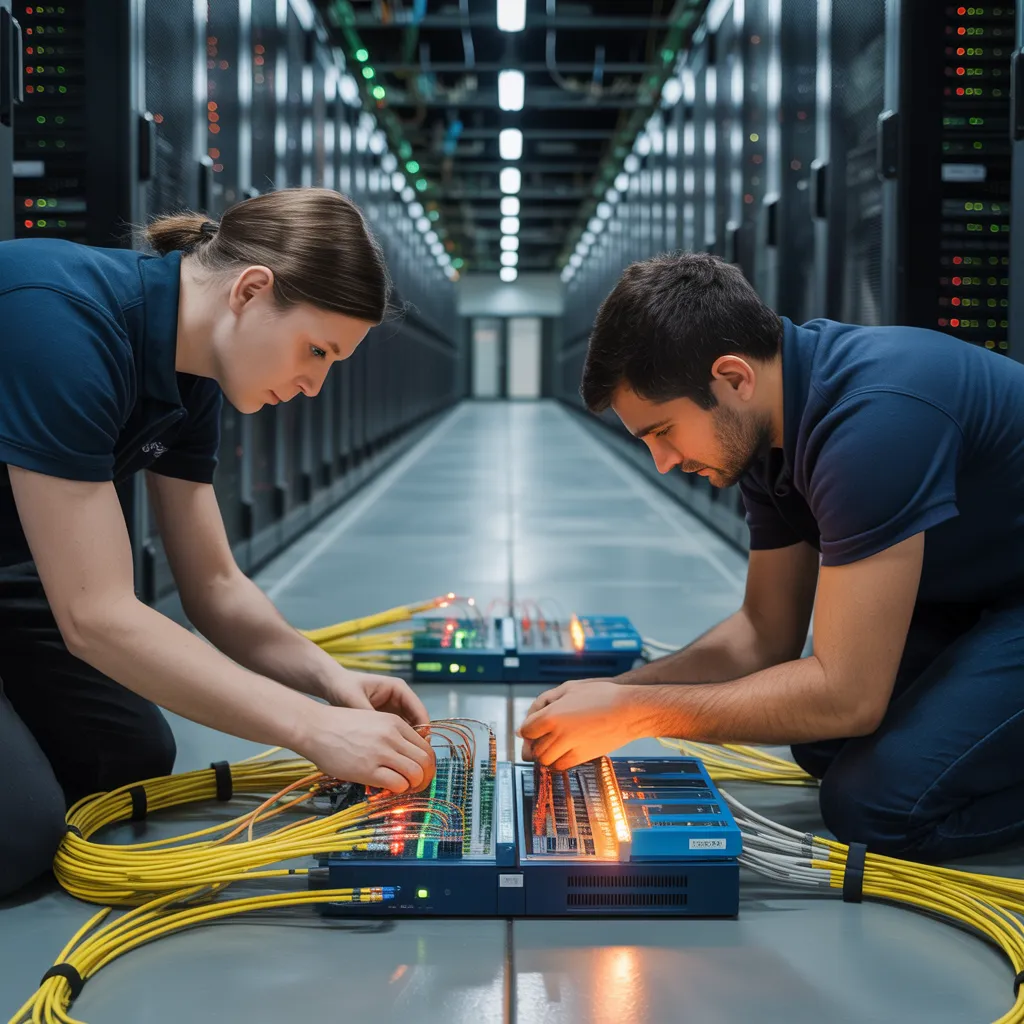
What Broadcast System Integrators Do for Media Production
Broadcast system integrators fulfill a vital purpose in media production by creating and executing advanced technical systems designed for particular broadcast objectives. They evaluate the distinct needs of every project, guaranteeing that technical strategies complement creative aims. Through careful planning and execution, integrators optimize operational workflows, enhance signal distribution, and refine equipment coordination.
Their knowledge spans an extensive array of technical disciplines, including video production, sound engineering, and digital resource management. Through coordinating technical hardware and software systems, they establish seamless environments that support effective content development and distribution.
Additionally, systems integrators in broadcasting provide ongoing support and maintenance, making sure that systems remain functional and effective. They also maintain awareness of industry trends and innovations, permitting clients to harness the newest advancements in media technology. Ultimately, their efforts significantly influence the effectiveness and quality of media production, permitting creative teams to direct their attention to effective storytelling and audience engagement.
Enhancing Collaboration Among Creative Professionals
Strong collaboration between creative teams is critical for successful media production. Broadcast system integrators play a significant role in this process by creating cohesive environments that foster communication and innovation. Through the design of integrated systems, they remove silos and enable real-time feedback among diverse teams, including writers, directors, and technical staff. This streamlined approach guarantees that all contributors are aligned with project goals, enhancing overall productivity.
Furthermore, system integrators establish joint workflows that support the effortless exchange of resources and ideas. By utilizing shared platforms and tools, creative teams gain access to consistent information, limiting misunderstandings while increasing overall efficiency. Such integrators also underscore the importance of adaptability, enabling teams to pivot quickly in response to creative challenges. In conclusion, the role of broadcast system integrators in enhancing collaborative efforts is vital in revolutionizing the media production landscape, resulting in premium outputs that captivate audiences.
Key Technologies for Collaborative Media Production
In the field of collaborative media production, critical technologies are instrumental in boosting effectiveness and creative output. Web-based cooperation solutions, real-time editing solutions, and distributed production systems are instrumental in enabling teams to operate efficiently across multiple sites. These developments encourage a highly cohesive and fluid work process, ultimately elevating the quality of media projects.
Cloud-Driven Collaboration Solutions
A growing number of media production teams are embracing cloud-based collaboration tools to enhance their workflow and streamline communication. These tools provide real-time file sharing, permitting team members to retrieve and modify files from anywhere. This freedom not only increases output but also nurtures collaboration, as multidisciplinary groups can collaborate concurrently, irrespective of physical location. Additionally, cloud-based tools often include features like file versioning and project oversight, making certain that every participant remains informed across the entire production cycle. As a result, the integration of these technologies not only streamlines workflows but also improves turnaround times, positioning them as a critical element of contemporary media workflows. Adopting cloud-based platforms is therefore essential for remaining relevant in the changing media industry.
Real-Time Editing Solutions
Real-time editing platforms transform the collaborative media production landscape by allowing teams to collaborate simultaneously on projects across various locations. These technologies facilitate instant feedback and decision-making, greatly enhancing productivity and creativity. By enabling multiple users to simultaneously access and modify content, they remove the delays inherent in conventional editing workflows. In addition, embedded tools such as version control and comment tracking confirm that all team members maintain alignment across the production cycle. This collaborative environment fosters innovation, as multiple perspectives can be woven in naturally. Therefore, real-time editing technologies not only refine workflows but also improve the overall caliber of media projects, rendering them essential tools for contemporary broadcast system integrators.
Remote Production Technologies
Remote production solutions revolutionize the landscape of joint media development by facilitating effortless communication and content distribution over great distances. These breakthroughs, including cloud-driven workflows and high-speed connectivity, enable instant collaboration among teams positioned throughout diverse geographic locations. By utilizing cutting-edge video compression and broadcasting methods, broadcasters can efficiently deliver high-quality content without the need for physical presence at production sites. Moreover, technologies such as remote camera operation and virtual production setups enable teams to control equipment and oversee projects from any location. This flexibility not only reduces costs but also enhances creativity, as skilled individuals can engage in projects without geographical restrictions. In the end, remote production innovations enable media companies to respond to shifting needs and elevate their creative capabilities.
Improving Content Quality and Efficiency
Within today's demanding media industry, improving content quality and operational efficiency is critical for broadcast system integrators. By utilizing cutting-edge technologies including artificial intelligence and automation, these integrators optimize production workflows, allowing for quicker turnaround times without compromising on quality. Implementing state-of-the-art editing software and cloud-based solutions enables teams to collaborate seamlessly, regardless of location, additionally enhancing operational workflows.
Moreover, the incorporation of advanced immersive formats elevates the audience take action experience, making media content more impactful. Consistent training and skill development of staff ensure that professionals maintain expertise in the latest tools and techniques, driving innovation in content development. Moreover, comprehensive quality assurance measures are put in place to preserve superior standards throughout all phases of the production cycle. Ultimately, by concentrating on these methods, broadcast media integrators not only enhance the quality of the content produced but also advance comprehensive operational effectiveness, creating a gold standard across the sector.
Responding to Shifting Audience Expectations
Moreover, the rise of on-demand content has necessitated a change in production techniques, compelling integrators to implement creative workflows that emphasize efficiency and reach. Analyzing audience demographics and local preferences becomes essential for crafting relevant and engaging content.
When all is considered, by focusing on audience engagement and utilizing technology, broadcast integrators can improve viewer satisfaction and loyalty. This adaptability not only meets current demands but also sets organizations up for lasting growth in an growing competitive media landscape.
Next-Generation Developments in Broadcast Integration
The outlook for broadcast integration stands ready for remarkable progress through cloud-driven platforms, which promise increased scalability and flexibility. Rising innovations in AI and automation are positioned to enhance production efficiency and content personalization. Moreover, improved remote collaboration tools will reshape collaborative efforts throughout media production, fostering fluid communication and innovative thinking.
Progress in Cloud-Based Solutions
Transforming the landscape of media production, cloud-based solutions are rapidly advancing, enabling seamless integration and collaboration across various platforms. These advancements enable instant access to essential resources, enabling teams to operate in parallel from multiple locations. By harnessing the power of cloud technology, media organizations can effectively store and handle large volumes of data, optimizing operational workflow efficiency. Increased scalability guarantees that organizations can adapt to changing demands without significant upfront investments. Furthermore, cloud-based platforms enable premium video streaming and remote production functions, streamlining the content creation process. As these innovations persistently develop, they are poised to offer media professionals the adaptability and responsiveness required to address the ever-changing demands of the media industry, profoundly redefining how media content is developed and delivered.
AI and Automation Industry Trends
With cloud-based solutions steadily advancing collaboration in media production, the integration of AI and automation is set to redefine operational efficiencies within broadcasting. Such technologies optimize workflows through the automation of repetitive tasks including video editing and content tagging, freeing creative teams to direct their efforts toward higher-value activities. AI-driven analytics provide insights into audience preferences, enabling more targeted content creation. Additionally, predictive maintenance powered by AI minimizes downtime in broadcasting equipment, ensuring smoother operations. The advancement of machine learning algorithms increasingly strengthens content personalization, tailoring broadcasts in real-time to viewer behavior. As these advancements mature, they are set to revolutionize the landscape of media production, ultimately cultivating more agile and responsive broadcasting environments.
Advanced Remote Collaboration Features
Advancements in cutting-edge virtual teamwork platforms are revolutionizing the broadcast industry, allowing teams to collaborate effectively across physical distances. These platforms empower professionals to exchange premium video content, access centralized resources, and synchronize efforts instantly, consequently improving production processes. Progress in cloud-based infrastructure have enabled protected connectivity to files and applications, while unified collaboration systems promote real-time engagement among production staff. Furthermore, virtual reality and augmented reality applications are developing, offering immersive experiences for distributed teamwork. As these solutions mature, they promise to enhance creativity, increase efficiency, and minimize overhead expenditures. Media technology specialists are essential in deploying these technologies, ensuring that media production remains flexible and adaptive in an ever-expanding international landscape.
Questions Our Clients Often Ask
How Do Broadcast System Integrators Ensure Data Security in Media Production
Broadcast integration specialists guarantee data protection within media production environments through strong encryption protocols, comprehensive access management, regular security audits, and extensive staff training. These specialists implement industry standards and leading best practices to safeguard sensitive information from potential breaches and unauthorized system access.
What Qualifications Do Broadcast System Integrators Typically Possess?
Integrators of broadcast systems commonly hold qualifications in media production, engineering, and information technology. A large number carry certifications across specialized technologies, in addition to extensive experience in project management, facilitating the efficient integration of sophisticated broadcast systems and operational workflows.
How Are Costs Determined When Hiring a Broadcast System Integrator
Expenses for hiring a broadcast system integrator can fluctuate greatly based on the complexity of the project, the technology required, and geographic location. Typically, expenses range from hourly rates to fixed project fees, representing the integrator's level of expertise and available resources.
What Are the Key Challenges Experienced by Broadcast System Integrators?
Broadcast system integrators often deal with issues including fast-changing technology, financial limitations, strict deadlines, along with the requirement for smooth collaboration across varied teams. These elements make project management more complex and have the potential to influence overall production quality and efficiency.
In What Ways Do Broadcast System Integrators Evaluate the Success of Their Projects?
Broadcast integration specialists measure project success by means of critical performance metrics, customer satisfaction, budget compliance, and project timelines. They also assess system functionality, user experience, and the overall impact on production efficiency and audience engagement.
Comments on “Consulting the Best AV Integration Companies”